
Fred Woller
Sculpture
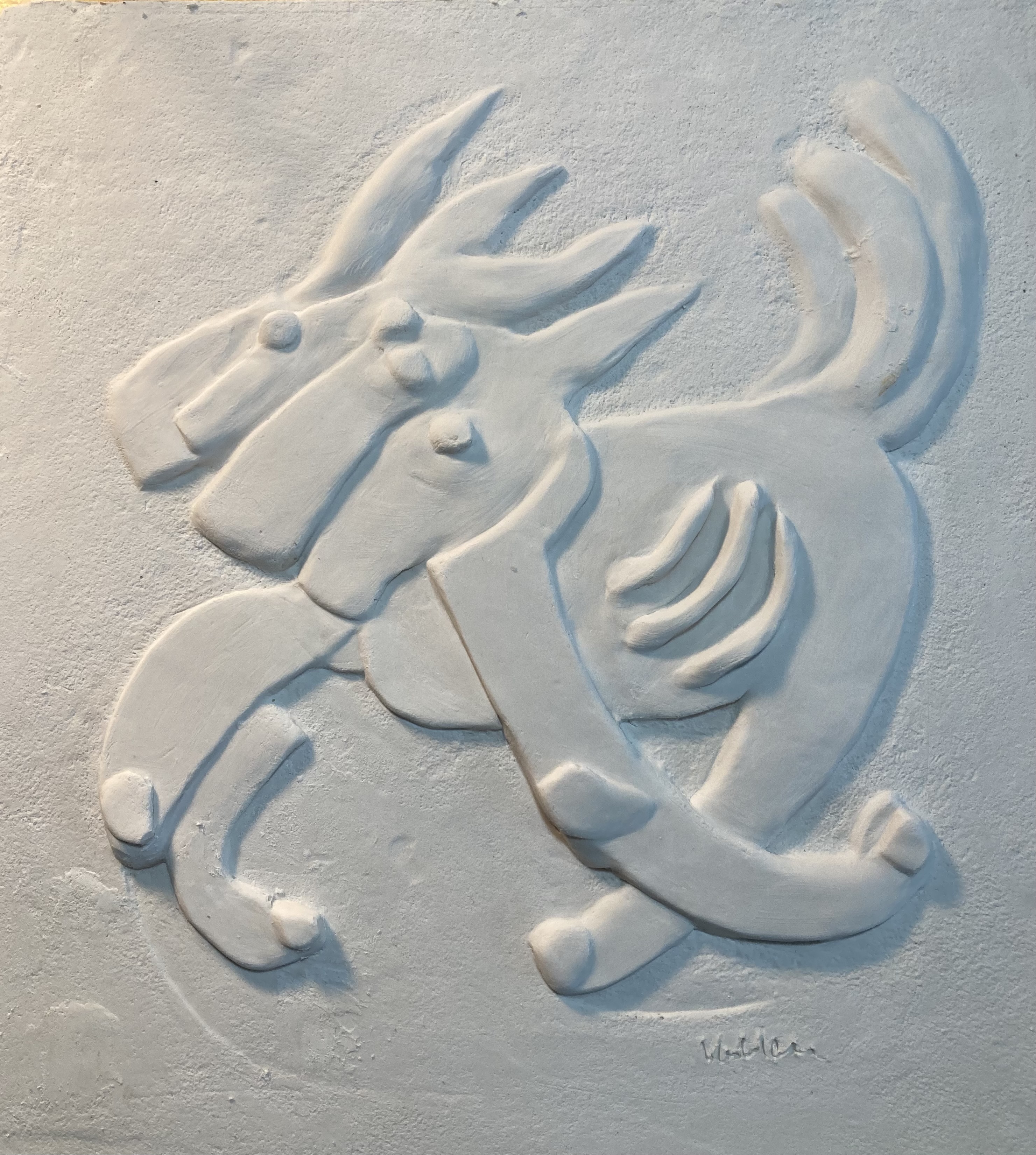
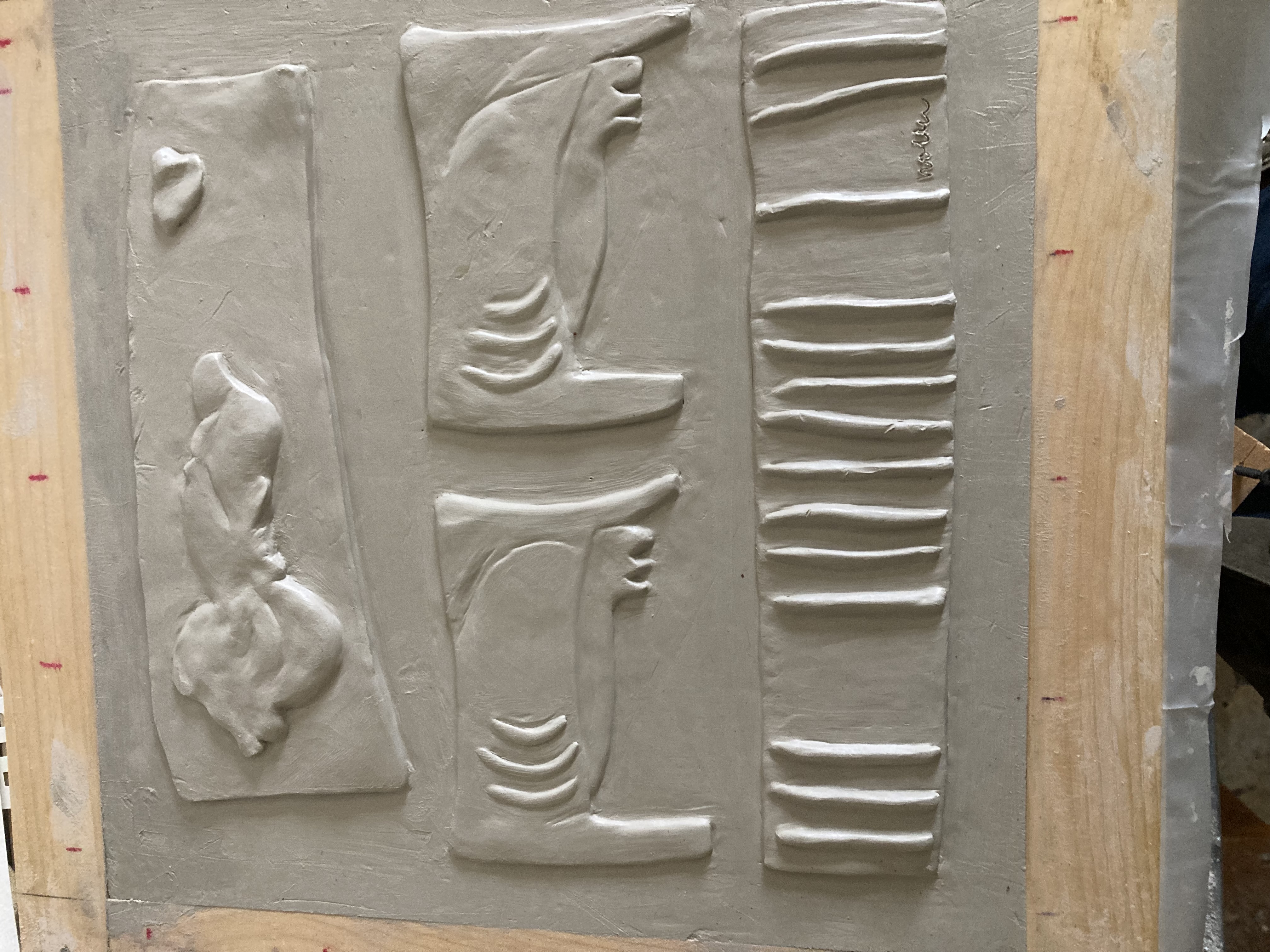
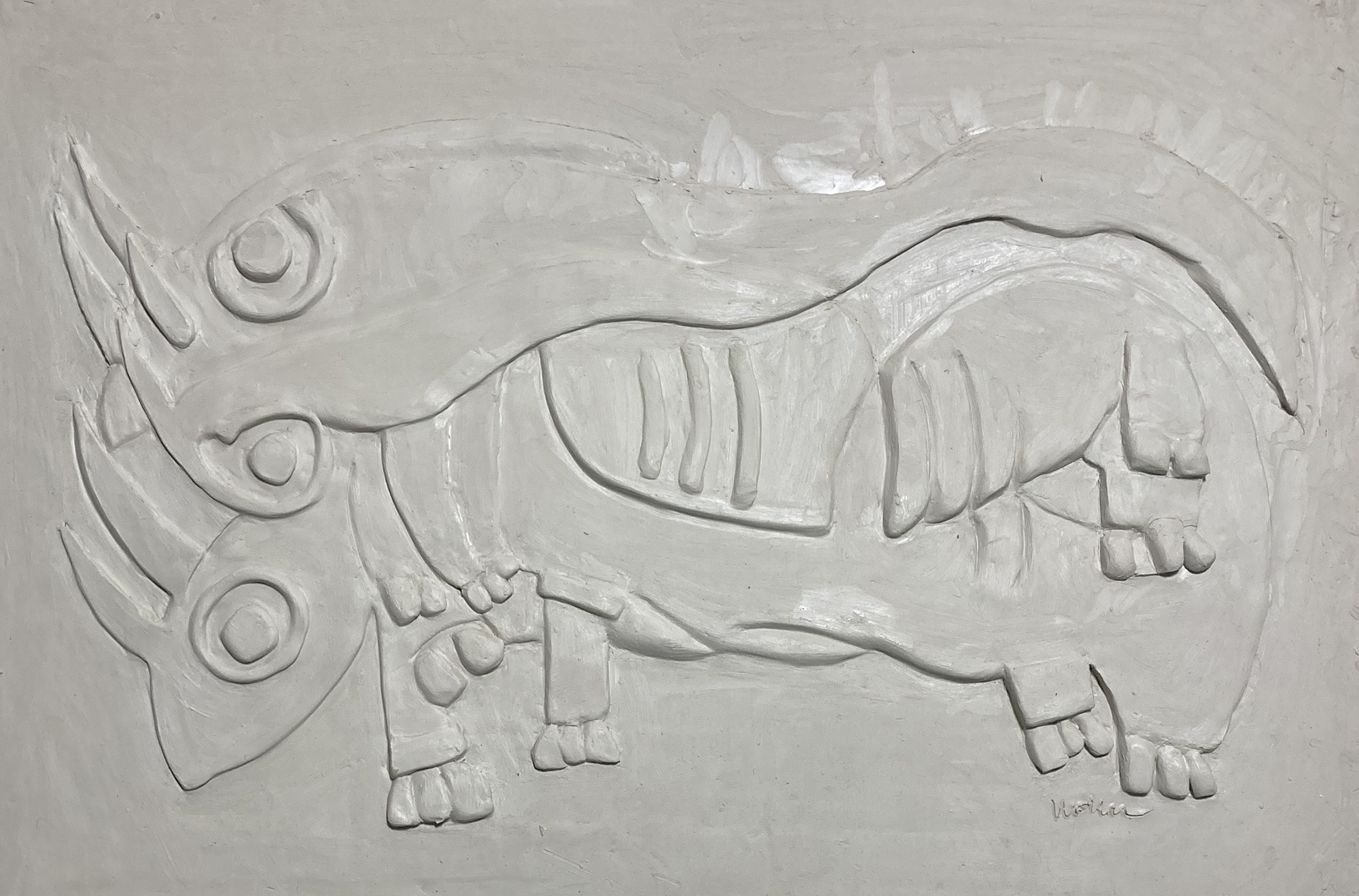
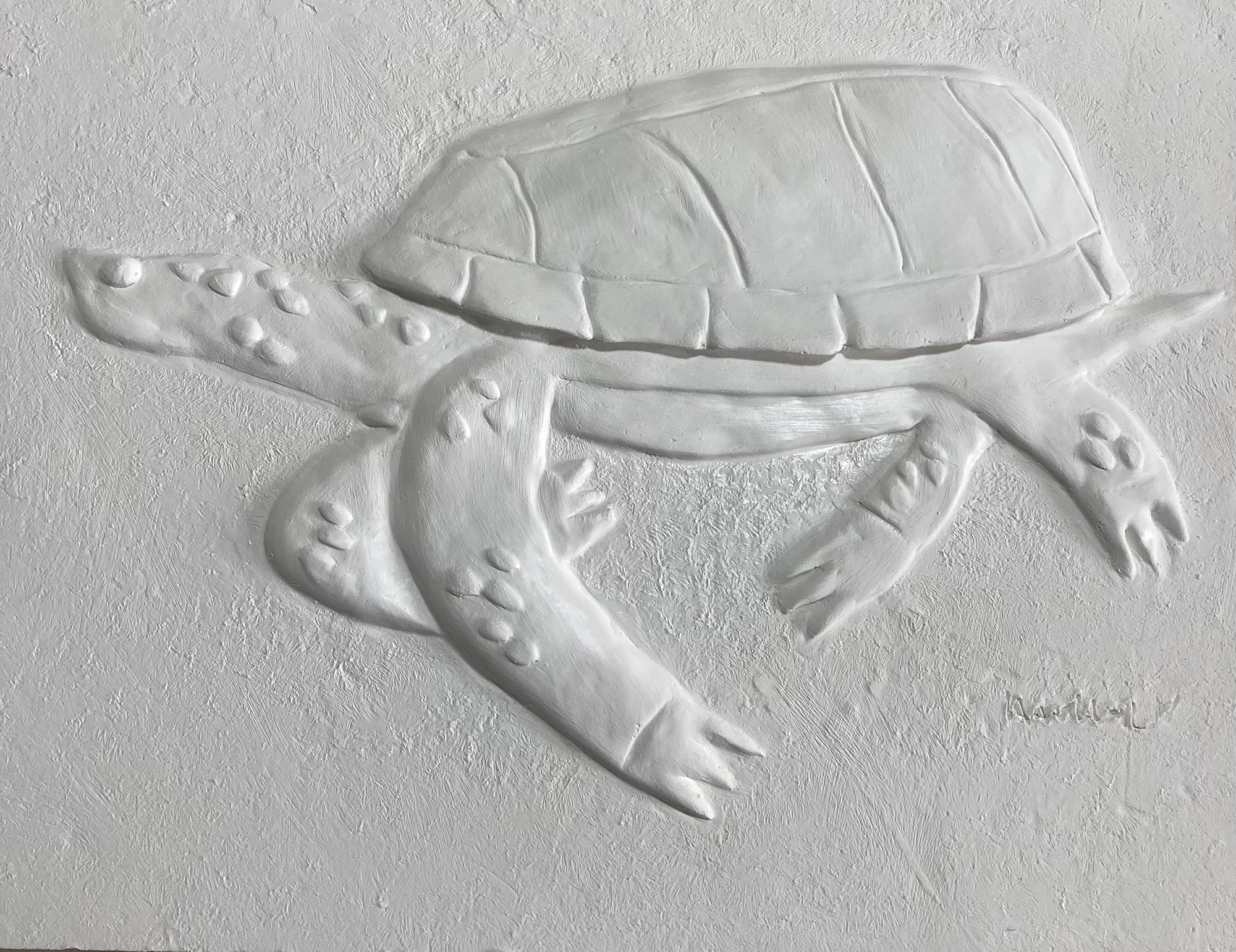
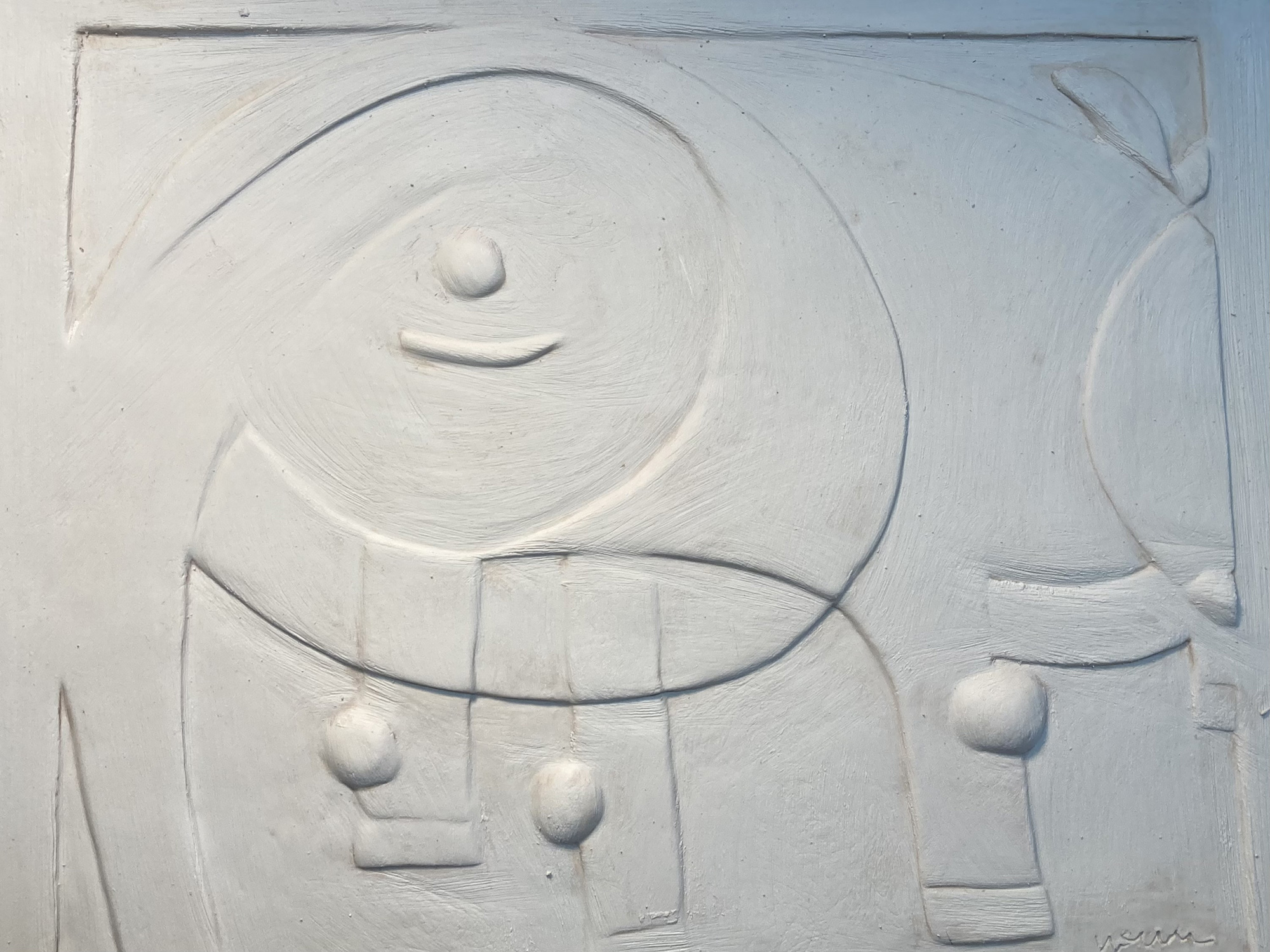
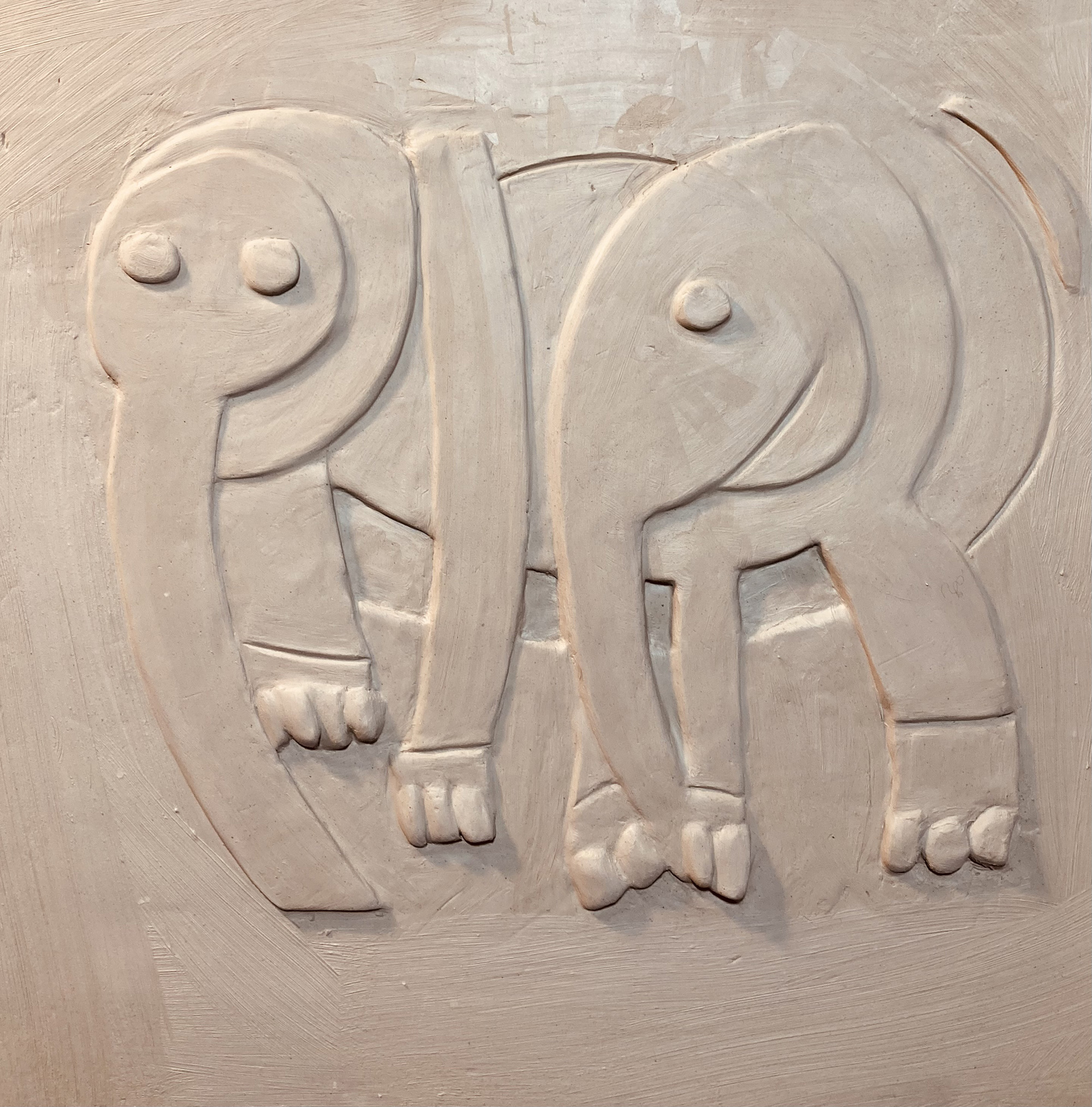
I started working dimensionally in the 70's. Queens College had 2 Constructivists with whom I had an opportunity to study. I worked with wood and metal; my work was very linear. Skip to the late 90's: I started casting individual plaster and stone pieces. When I showed a piece in Kingston, it was seen by the powers that be and I was commissioned to do an 8 foot by 4 foot relief for Kingston City Hall; a missing Lunette, which can still be viewed in the main courtroom. That's when I had an opportunity to watch a rubber mold being used. I presently use both plaster and rubber molds. My ideas are conceptual, and many of my present pieces are influenced by my work with kindergarten to third grade students from whom I learned a great deal. Their vision of things is so pure, uncorrupted and spontaneous. This is what I strive for in my own work. Working with stone is challenging; developing the rough piece and then refining it. You must be prepared for things like issues with the grain of the stone, or on occasion a piece breaking off unexpectedly. But you just go with the flow. Somehow the piece itself shows you a direction. I work with negative and positive shapes, breaking down subjects into parts and rearranging them to create relationships and transitions. The planning stage for me is just as exciting as creating the finished product. I start with a thumbnail, develop it and then scale up to the size of the project. I start modeling the clay, and dimensionalize the piece. Once I start that process, the piece will many times dictate direction. Going from 2D to 3D requires some fancy footwork. Art is like food, everyone has their own taste. I create what satisfies my eye. I would like to personally thank my former students at Phoenicia Elementary School, for influencing how I see things.
Directions
Fred Woller
Sculpture
Directions
I started working dimensionally in the 70's. Queens College had 2 Constructivists with whom I had an opportunity to study. I worked with wood and metal; my work was very linear. Skip to the late 90's: I started casting individual plaster and stone pieces. When I showed a piece in Kingston, it was seen by the powers that be and I was commissioned to do an 8 foot by 4 foot relief for Kingston City Hall; a missing Lunette, which can still be viewed in the main courtroom. That's when I had an opportunity to watch a rubber mold being used. I presently use both plaster and rubber molds. My ideas are conceptual, and many of my present pieces are influenced by my work with kindergarten to third grade students from whom I learned a great deal. Their vision of things is so pure, uncorrupted and spontaneous. This is what I strive for in my own work. Working with stone is challenging; developing the rough piece and then refining it. You must be prepared for things like issues with the grain of the stone, or on occasion a piece breaking off unexpectedly. But you just go with the flow. Somehow the piece itself shows you a direction. I work with negative and positive shapes, breaking down subjects into parts and rearranging them to create relationships and transitions. The planning stage for me is just as exciting as creating the finished product. I start with a thumbnail, develop it and then scale up to the size of the project. I start modeling the clay, and dimensionalize the piece. Once I start that process, the piece will many times dictate direction. Going from 2D to 3D requires some fancy footwork. Art is like food, everyone has their own taste. I create what satisfies my eye. I would like to personally thank my former students at Phoenicia Elementary School, for influencing how I see things.

swipe right
swipe right
swipe right
swipe right
swipe right
swipe right